

Elon Musk took to X on 14 February with a simple message: "Join Rupert Lowe in Restore Britain, because he is the only one who will actually do it!" And, in true X-style, a flood of supportive comments followed - accounts thanking Musk for his involvement in British politics, or simply posting the Union Jack. Among them was Lowe himself: "You are a true patriot, Elon."
The exchange was typical of the online world the far-right has come to thrive in. But this time, something is different.
Other figures to the right of Reform rallied behind the new party. Advance UK, led by the former Reform deputy leader Ben Habib and backed by the far-right activist known as Tommy Robinson, said it would consider a merger (although this has since collapsed, with Habib branding Lowe a “dictator”).
And now the party has gone one step further, formally registering with the Electoral Commission. This means the party fulfilled criteria such as outlining a constitution, setting out its structure and organisation, and showing that it has the processes in place to comply with electoral finance laws. But it’s more than an administrative milestone. Restore Britain can now stand candidates, appear on ballot papers, and compete in British elections.
So, with the party polling at 7% and boasting a membership 100,000-strong, what does this mean for future elections?
This poses a real threat to Farage's route to power. Under first-past-the-post, vote-splitting on the right could prove fatal, costing Reform seats it would otherwise have won comfortably. Cast your mind back to the last general election: Labour's majority was wafer-thin, won and lost in key marginal constituencies. If Reform finds itself in a similar position in the next election, a hard-right splinter draining votes in marginal seats could make all the difference.
In his launch video on X, Lowe took direct aim at Reform, promising that Restore Britain candidates would “not be failed ministers, and will not be tainted by failures of the past.” Lowe’s implication is clear: Restore Britain is the real deal and Reform UK is merely establishment-lite.
So, what do Restore Britain actually stand for? Their headline policies are - to put it mildly - grim.
The party advocates a national referendum on reinstating the death penalty, and an outright ban on the burqa and niqab. Its campaign director, Charlie Downes, has stated the party’s founding ambition plainly: “an ethnically homogenous Christian Britain.” This is not just a dog-whistle. It is the open articulation of an ethno-nationalist programme - a line that even Reform UK are careful not to cross.
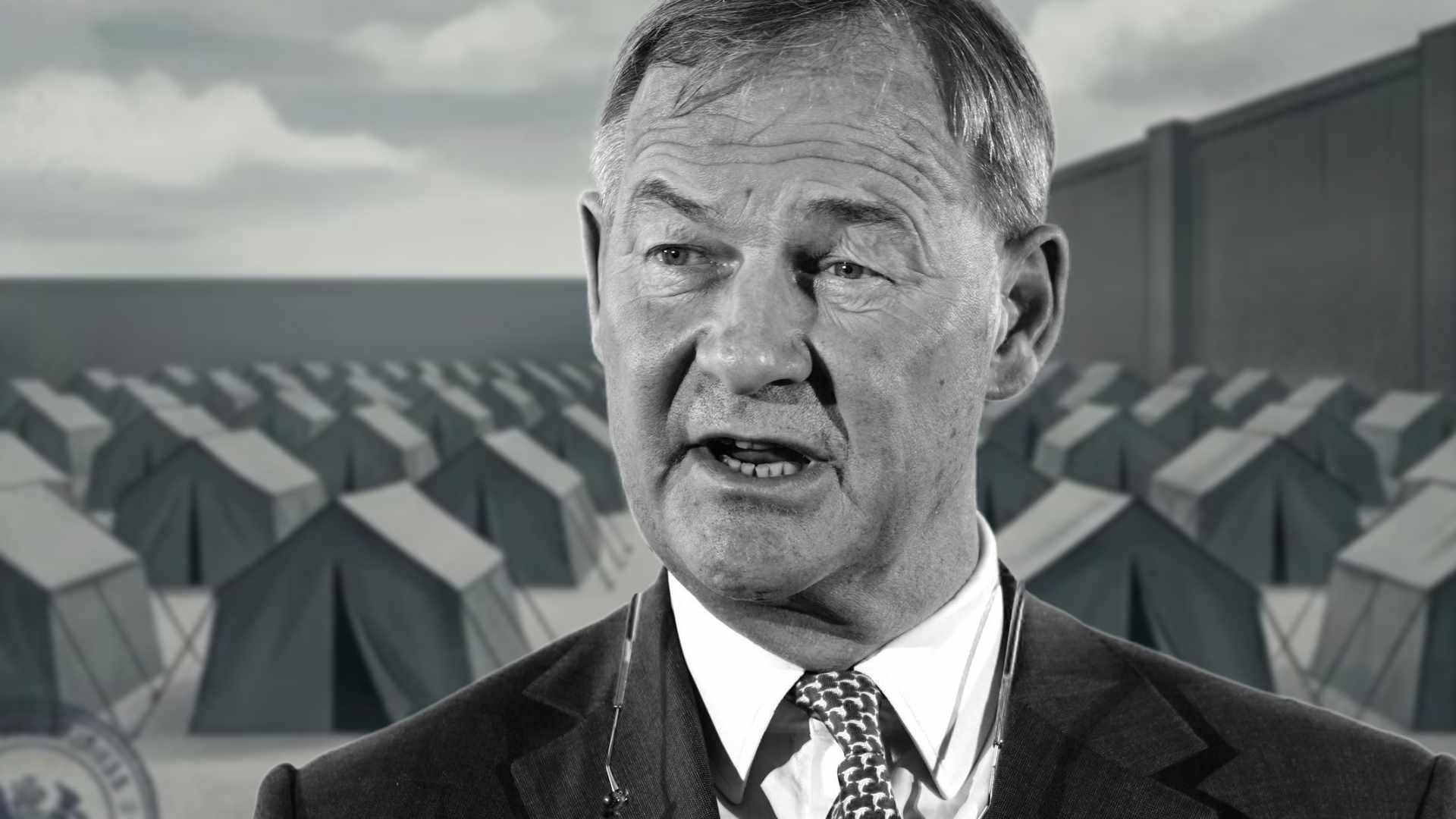
Then there is the immigration policy. Lowe’s 133-page mass deportation document, co-authored with senior policy fellow Harrison Pitt, proposes between 150,000 and 200,000 forced removals per year, the rescinding of asylum protections granted over the past decade, and the establishment of what the document calls “austere tent camps” for those awaiting removal. It is, in scope and language, one of the most extreme policy documents produced by any registered British political party in recent memory.
Still, it would be unfair to say Restore Britain and Reform UK agree on nothing. Both parties want to scrap the TV licence fee and defund what they call the "woke" BBC. Restore Britain go further in their characterisation, claiming the licence fee is maintained through "coercion and blackmail" and that the BBC "treats British culture with contempt." And their stances on inheritance tax aren't too dissimilar either, both parties have pledged to abolish it. Hardly surprising, perhaps, from two multi-millionaires and former bankers.
But, most importantly, Labour must read the right message from this.
If Lowe's ascendancy holds, a fractured right could hand Starmer a golden opportunity - if, that is, he's learned the right lessons. Unite the left, stand firmly behind a strong set of values, and stop allowing Farage to set the agenda. This isn't an opportunity Labour have earned. But it is one they can't afford to waste.
But it also serves as a serious wake-up call - one that speaks to the health of our democracy more broadly. As my colleague Matt recently wrote in Ugly Politix, the government's Representation of the People Bill is well intentioned and does some genuinely positive things - strengthening the Electoral Commission and extending the vote to 16-year-olds. But with forces such as Restore Britain now backed by the wealthiest man on the planet, combating dark money and capping political donations must become a priority for this government, not an afterthought.
Lowe and Farage are two sides of a very dangerous coin. But a splintered right only hands Labour an opportunity if Starmer is willing to seize it. Get his own house in order, and this could be a pivotal moment. Fail to, and the door to something far darker remains wide open.

It's not the left Starmer/Labour should seek to unite; that has its own populism challenges. To hold power he has to appeal to the mostly liberal centre. These are the people who elected him the first time around; people who tend to be pro-EU, think business can be, should be and often is a force for good, are against racism, broadly pro-immigration (or if not pro understand why the UK's age demographics need it) - and against authoritarianism.
Totally agree that the government's Representation of the People Bill needs to go much further in preventing undue influence in our political system. In local elections in Kent last year, some voters ( myself included) were targeted with not one but three Vote Reform posted letters from Nigel and one candidate leaflet. This is clearly beyond the limited candidate spend. Electoral Commission said, no breach of campaign rules occurred because the candidate name was not included in the letter. Funding for election campaigns must be tackled by the new Bill