

When 21st-Century Influence Meets 20th-Century Rules
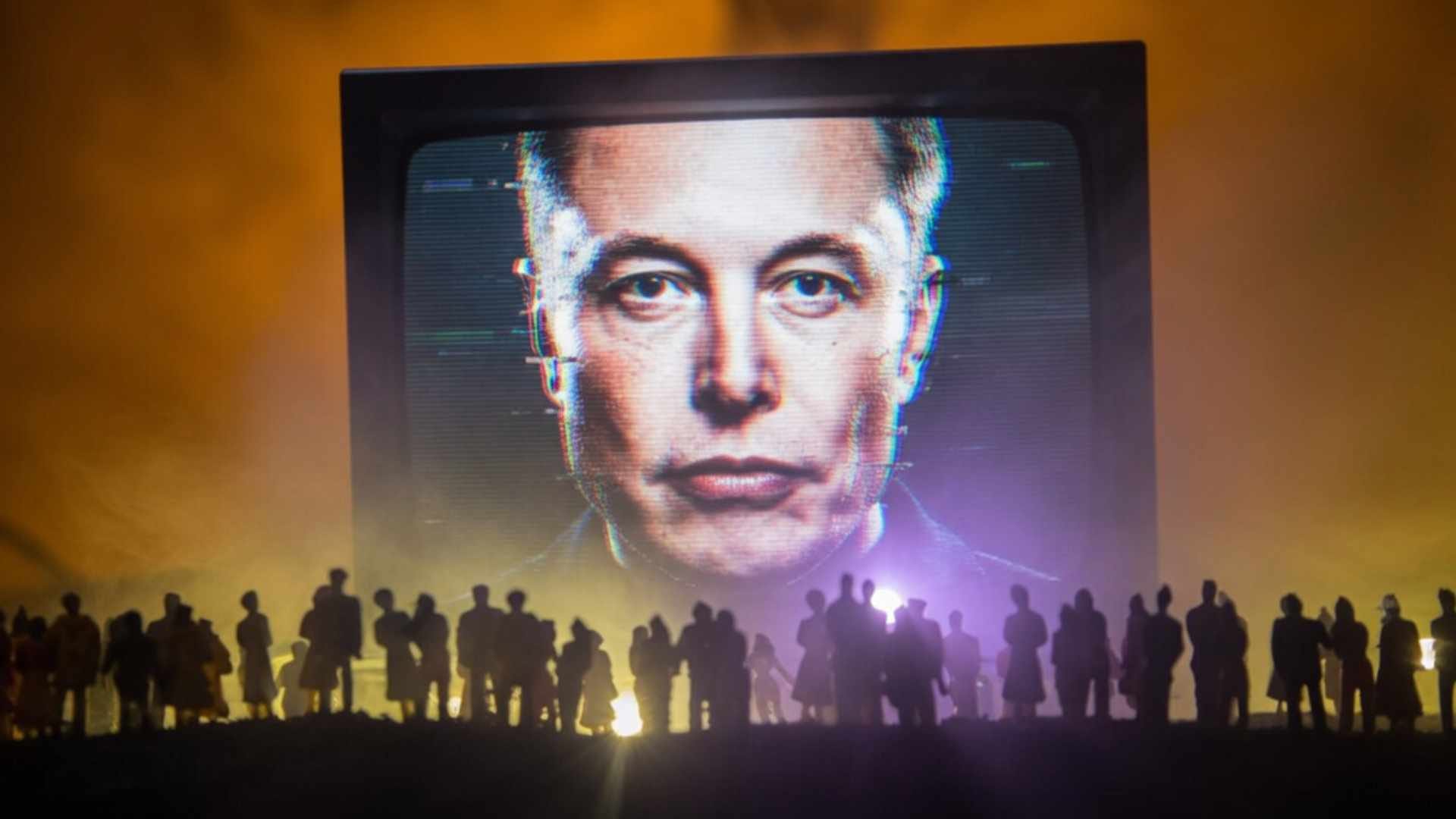
Elon Musk’s intervention in British politics yesterday - he reposted a six-minute video by Rupert Lowe, Leader of the far-right party, Restore Britain (viewed 26m times at the time of writing) - offers a stark illustration of how modern influence operates beyond the reach of traditional democratic safeguards. While the world’s richest man can reshape political narratives through algorithmic amplification and strategic content suppression, Britain’s electoral regulators remain equipped for an era of paper leaflets and public meetings. This mismatch between technological capability and regulatory capacity represents one of the gravest threats to democratic integrity in our time.
Why This Matters More Than Ever
The stakes could not be higher. Everyone now knows that social media platforms set the political narrative, fundamentally altering how democratic discourse operates. And our democratic institutions struggle to keep up with the pace of change. The speed of technological development has coincided with institutional confidence crisis, enabling foreign states and ultra-wealthy individuals to destabilise our democratic institutions.
When platform owners can amplify or suppress content in real-time during critical political moments, they wield influence on a scale that dwarfs anything our antiquated regulatory systems were designed to address. A single algorithmic tweak can direct political messaging to millions of voters instantly, instantly shaping their understanding of political events without any meaningful oversight. This is happening right now and it is shaping how our next election will play out.
The New Reality of Digital Influence
The mechanics of modern electoral influence bear little resemblance to the campaign finance laws designed to regulate them. Current electoral law focuses on traditional donation and spending limits but cannot regulate platform owners’ ability to amplify or suppress content during elections. Posting a political leaflet to a million voters would cost millions of pounds - directing a tweet to many more costs virtually nothing. And while politicians are bound to declare donations above modest thresholds, platform owners operate in a regulatory vacuum where their influence-shaping decisions face no electoral oversight.
AI-generated content and algorithmic amplification present new opportunities for electoral interference that current regulations do not address. These technologies operate at machine speed, capable of generating and distributing persuasive content faster than human fact-checkers can respond. During election periods, when public attention is at its peak and decisions are made rapidly, this speed advantage becomes decisive.
The asymmetry is profound. Traditional media face relatively strict rules about political advertising, disclosure requirements, and editorial balance during election periods. Digital platforms, despite their far greater reach and influence, operate under minimal constraints. They can serve different political content to different users, making detection of bias nearly impossible, while maintaining plausible deniability about editorial intent.
How Outdated Systems Enable Modern Manipulation
Britain’s regulatory response to these challenges has been woefully inadequate. The Electoral Commission has publicly criticised the government’s claimed ‘zero-tolerance approach to foreign interference’, warning of significant loopholes in new legislation. When even the government’s own electoral watchdog disputes official claims about regulatory robustness, we know we have a significant problem.
Recent legislative efforts have missed the mark entirely. The Representation of the People Bill, currently making its way through Parliament, has been criticised for containing ‘nothing much that would improve the state of online campaigning’ despite explosive growth in digital political advertising. While digital political advertising has exploded in both volume and sophistication, the regulatory framework remains focused on traditional campaign methods.
Current regulators lack real-time monitoring capabilities for platform-based influence operations, creating dangerous regulatory blind spots. And this is not just a problem with resourcing - though resourcing is a factor - it is a problem of fundamental design. Our electoral oversight was built for visible, traceable activities: printed materials, broadcast advertisements, public meetings. Digital influence operates through opaque algorithms, micro-targeted messaging, and platform-mediated interactions that leave minimal public trace.
The inadequacy of enforcement mechanisms became clear in recent cases. The Nathan Gill scandal revealed how our politics can be influenced by hostile foreign states. And just how inadequate our existing enforcement mechanisms are. When electoral violations are detected, often months or years after the fact, the penalties are often woefully out of proportion to the potential benefits of manipulation. And the damage has been done. The burglars have long gone with your telly by the time the police arrive.
The Evidence of Regulatory Failure
The transparency gap between traditional and digital campaigning exposes the system’s fundamental flaws. Social media platforms are now so powerful that they can bulldoze any agenda being set by more traditional - and regulated - political activities. Yet transparency requirements for digital political messaging remain minimal. While newspaper political content must include clear attribution and funding sources, social media political content can be promoted with minimal disclosure requirements.
This creates perverse incentives. Sophisticated actors quickly learn that influence exercised through platform control faces minimal scrutiny compared to traditional campaign activities. Why bother with processes that require mountains of paperwork to record, track and declare donations when you can simply shape political narratives through algorithmic manipulation? Spending limits are an irrelevance when you can amplify preferred messages through opaque and virtually costless recommendation systems.
The Musk intervention illustrates these dynamics perfectly. His ability to influence British political discourse operates almost entirely outside traditional electoral regulation. He can promote certain political content to millions of users, suppress opposing viewpoints, and shape trending topics - all without triggering any meaningful oversight mechanisms.
What Democratic Defence Requires
Effective regulation for the digital age demands several fundamental shifts. First, we need real-time monitoring systems capable of detecting algorithmic manipulation, at least during election periods, if not constantly. This means more than just providing our regulatory bodies with legal authority. They must have the technological capability and the resources required to use that authority effectively.
Second, platform transparency requirements must match the scale of influence these companies wield over democratic discourse. If platforms shape political narratives, they must face commensurate disclosure obligations. This includes algorithmic auditing, content amplification reporting, and clear attribution for all political content.
Third, regulatory frameworks must address AI-generated content and algorithmic amplification as electoral interventions in their own right. The current focus on paid political advertising misses the vast majority of political influence that platforms exercise through their core functions.
Finally, enforcement powers must match the speed and scale of modern influence campaigns. Post-election investigations of pre-election manipulation serve little democratic purpose. Real-time detection and response capabilities are essential.
The Choice We Face
We have some important decisions to make. We can continue pretending that 20th-century regulations can govern 21st-century influence, watching our democratic discourse become increasingly vulnerable to sophisticated manipulation, often by foreign actors, many of them openly hostile to our national interests. Or we can acknowledge that technological change demands institutional change and act now to put it in place.
The latest Musk intervention should serve as a genuine wake-up call. We should not simply tut and roll our eyes, as is our tendency in Britain. As AI capabilities expand and platform influence deepens, the gap between technological possibility and regulatory capacity will only widen. The question is whether we choose to close that gap while we still can, or whether we allow democratic discourse to be shaped by whoever commands the most sophisticated influence technology.
Our democratic institutions have adapted before - to radio, to television, to 24-hour mass media. The digital age presents challenges of greater complexity and speed, but the fundamental principle remains unchanged: democratic discourse requires effective democratic oversight. The alternative is rule by algorithms, accountable to no one but the billionaires who own them.

France is on to Musk and are blowing the whistle. The UK would be well advised to do the same
As ever Mark Kieran provides a crystal clear explanation of the dangers being posed to Democracy. Another clarion call!
Thank you, Mark, I hope your message can be more influential than those put out by the algorithm masters !