

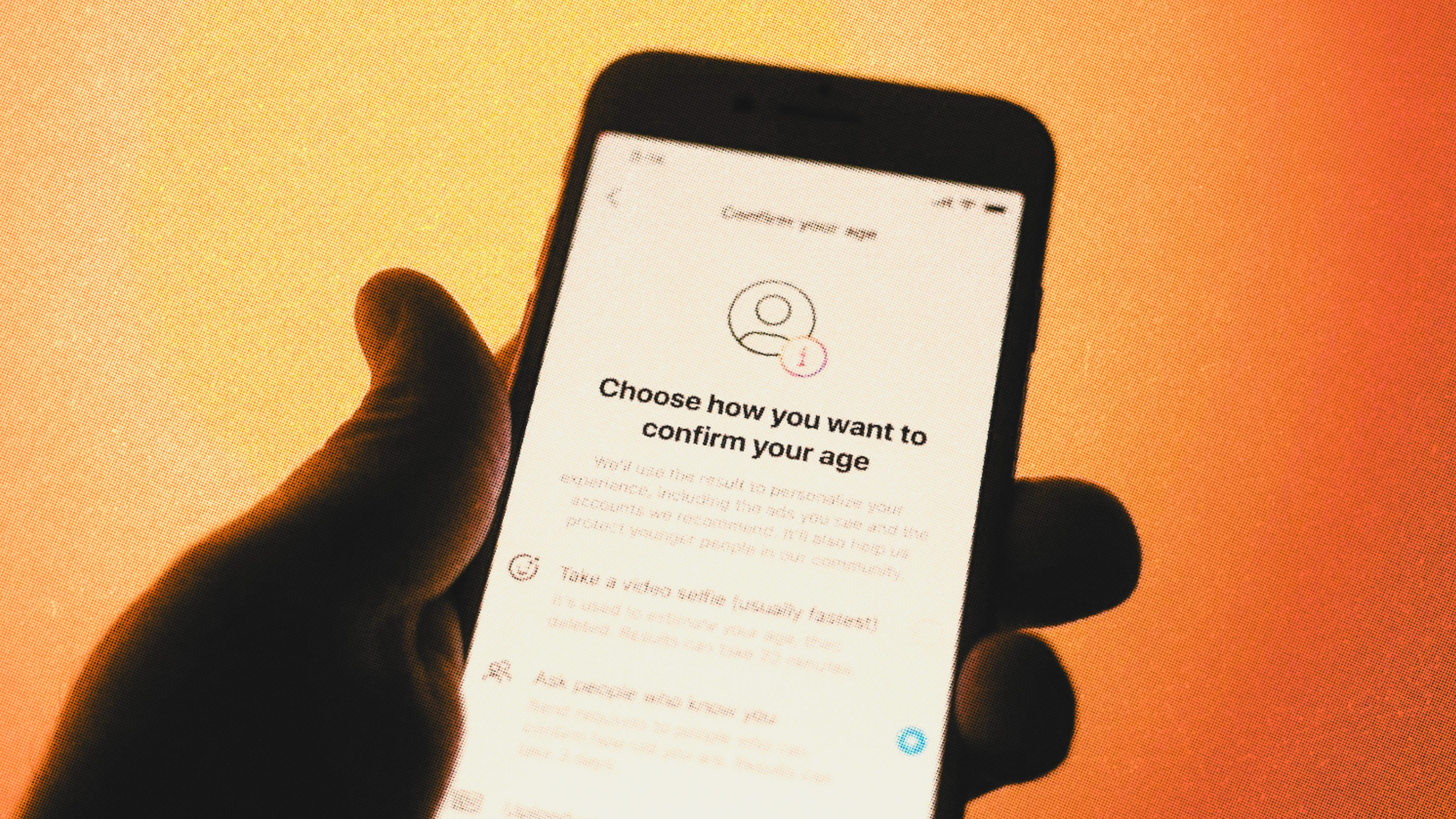
Every Prime Minister needs a legacy. Sir Keir Starmer’s, it seems likely, will be a ban on social media platforms for under-sixteens – and a curfew for 16 and 17 year olds – a policy with sprawling implications that did not appear in Labour’s 2024 manifesto.
In lieu of a white paper or an expert consultation, the plan is predicated on what appears to be quite a leading survey of parents who voiced overwhelming support. Starmer is framing it as a “line in the sand” – a great triumph over the Big Tech behemoths and a reclamation of traditional childhood.
To be clear, I have no doubt that parents are genuinely concerned about the noxious depths of social media today. I’m sure kids would benefit from spending less time online. We should do something to address the growing dystopian side of social media, the parts where trillionaires fiddle with your brain chemistry for political clout. Where nefarious actors radicalise our kids, spread lies, and gestate far-right street violence.
But three huge things are being ignored here. Firstly, the fact that this policy is unworkable without massive privacy and data rights concessions. Second, the fact that it shuts young people – some of whom will soon be given the right to vote – out of what is unfortunately still a crucial democratic and social forum (despite its myriad flaws). And thirdly, the fact that digging moats like this is precisely what Big Tech wants, because it preserves their predatory business model.
Bad Policy, Worse Risks
There is a tool known as a Virtual Private Network, or VPN. Most British teenagers will know all about them by next spring. They allow users to bypass local internet restrictions, and in Australia, where a similar policy has already been introduced, a sizeable majority of young people are reportedly still accessing restricted platforms through VPNs and other workarounds.
Ministers have hinted at a potential crackdown on VPNs. Apart from that being a hallmark of authoritarian internet regimes like North Korea and Russia, it’s also a notoriously difficult feat. China has spent years playing VPN whack-a-mole.
Then there’s the fact that a social media ban for under-16s means age checks for *all of us*. Handing over passports, credit cards or biometric scans to a growing industry of unregulated third-party verification firms.
Starmer’s recent answer to both VPNs and those privacy concerns is something called device-level age assurance: a cryptographic credential stored on everyone’s phone that can prove you’re over sixteen without revealing who you are. It’s genuinely clever technology. But, as cryptographer Steven Bellovin (the very guy who invented it) puts it, there are “insurmountable” legal, economic and social obstacles to making it work safely in practice.
It still requires trusted issuers, trusted verifiers and expansive (and costly) new official systems – it would mean we effectively lay the building blocks for the much-dreaded Digital ID scheme. Mission creep is a very real risk for any system so pervasive.
Given what we’re seeing from the Trump regime – subpoenaing tech platforms for information on anti-ICE social media accounts – and the prospect of a Farage premiership, perhaps it’s still something we should think hard about building right now.
Locked Out of the Public Square:
And we should think hard about why we’re building it anyway. If social media is so universally horrible, why do kids fight so hard to stay online?
Starmer’s not wrong that the platforms are addictive, and that there’s compelling evidence linking excessive social media use to anxiety, depression and poor wellbeing. I’d attribute that to the predatory way social media operates today – not necessary an innate feature. But that’s not the full picture.
They say they use it to communicate with friends. It’s easy to write that off – they could just go outside. We should probably factor in there, however, that Britain has spent decades closing youth clubs and treating teenagers in public as a policing problem. Perhaps there aren’t as many outdoor alternatives as many like to think.
Most crucially, many are ignoring the fact that social media is also a place for teens to participate democratically in national debates. They’re the most outspoken generation on issues like our climate and Palestine. They have a natural human inclination to participate in public affairs, just like the rest of us. They want to engage with the wider world and talk about issues that matter to them. You’d think Starmer, who is also giving 16-year-olds the right to vote, could understand that.
For all its many, many faults, social media is still the closest thing we have to a popular democratic debate forum. It’s important. Banning kids from it is like saying ‘a small number of kids get killed on the roads every year, so they all have to stay indoors’. Shouldn’t we make the roads – or the forum – safer for everyone to use?
Throwing in the Towel
The problem is that making social media safe and workable for everyone means going toe-to-toe with the Silicon Valley giants and their billionaire and trillionaire owners. It’s a hard fight.
What we’re seeing here from Starmer – and lots of other leaders around the world – is a concession. This ban will in fact stifle independent and non-profit competitor platforms and solidify the Big Tech monopolies that can afford to abide.
I understand that the economic calculus – the GDP growth figures these firms help generate – makes them difficult to confront. If Starmer wanted to fight for a free and fair internet, he would have to directly challenge their model of surveilling us for data and using that data to manipulate our purchasing habits and corrode our democracy. He’d have to hit their bottom line.
Barring that, you’d think at the absolute least that if Starmer wants to make a fanfare about online safety, he could start by leading by example. He could delete his Government's accounts on ‘X’ – a platform brimming with the kind of abuse and disinformation he’s warning about.
If Ministers won’t even leave the cesspit themselves, they can hardly claim building a fence around it is a moral victory. It makes the whole thing seem a lot more like a publicity stunt.
Under 16’s will still be using social media. We have very tech savvy young people who will find a way around it.
Stammer is giving them the opportunity to vote on one hand, and taking away their voices on the other hand. It won’t work and it won’t help Labour win another election. Make social media safer, not more interesting to young people.
Under 16s tend not to access news v often. They never have. Every survey going back to the 1970s finds the same thing. If they do want to access news in the run-up to an election there are plenty of ways to do so. Social media selects on the basis of outrage. If 15 year olds use the BBC for news instead it is hardly a problem. Oddly children back in the day had no trouble keeping in touch with friends & I can’t see why this generation would find that difficult. Certainly those who are still in primary school now will learn how to interact in the real world & hopefully won’t be tempted to leave when they turn 16. But the big issue here is preventing young people from accidental exposure to harmful content. That seems pretty normal to me. It’s the last few years that have been the anomaly. Time to return to a children first approach.