

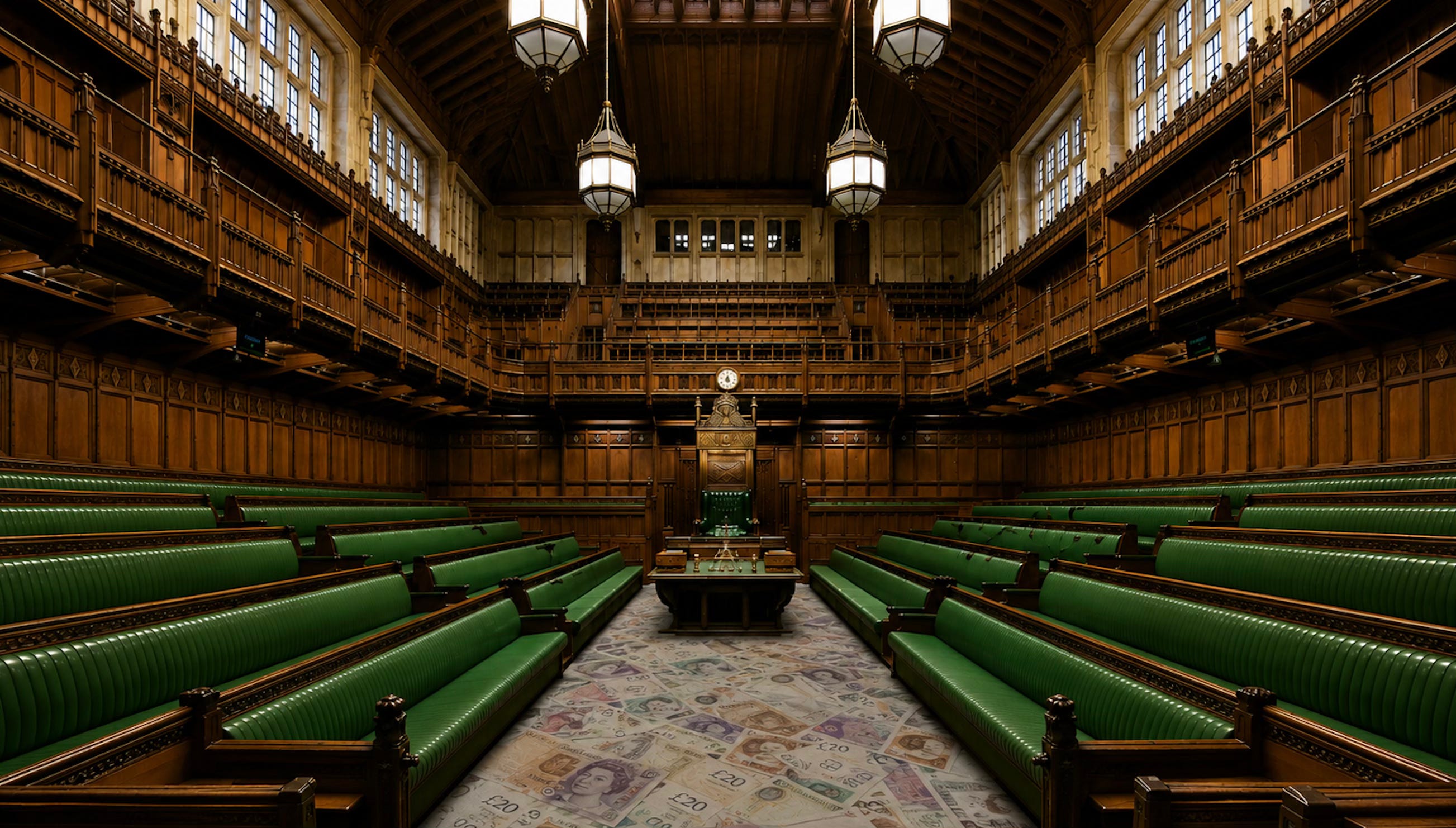
This week has been something of a rollercoaster in the Commons. You can be forgiven for not registering everything that happened.
Keir Starmer’s final Prime Minister’s Questions and the long-overdue unblocking of the Hillsborough Bill were just two of many major events. Both deserved the headlines they got.
But one equally important thing that barely registered in those headlines was the Representation of the People Bill.
It had been due to complete its Commons stages on Tuesday but was pulled from the agenda at the last minute. It is not particularly uncommon for Parliamentary business to change - but this felt different.
The widely reported explanation is that Andy Burnham wants an opportunity to reshape this important legislation. Presented from the start as one of the Government’s flagship bills, it was said to be a once-in-a-generation opportunity to strengthen our democracy, increase voter participation, and raise public confidence in politics. That is ground on which Andy Burnham has signalled he has different ideas to his predecessor.
It is only natural, therefore, that he would want to stamp his mark on it while it makes its way through Parliament.
But I suspect he also knows what we know - the bill just isn’t good enough yet.
One area where that’s particularly true is in relation to political finance. Before the Bill was rescheduled, Ministers tabled the long-awaited Government amendments on political finance. These were the official response to the Rycroft Report, translating some - though by no means all - of that report’s recommendations into law.
While there was plenty to welcome in those amendments, they were also a quiet admission that Britain’s political finance rules are no longer fit for purpose.
The full package includes a moratorium on crypto donations, a £100,000 annual cap on donations from overseas electors, changes to strengthen company donation rules and stronger powers for the Electoral Commission to investigate suspicious money.
Open Britain has spent years highlighting the risks posed by foreign money, calling for stronger safeguards against overseas influence, tougher enforcement of the rules, and greater transparency of sums and sources - so we genuinely welcome these changes. Anything that reduces the influence foreign money has on British democracy, clamps down on the shell companies used to disguise where donations really come from, and removes the scope to use crypto as an anonymous back door will get a thumbs-up from OB.
But while these long-awaited Rycroft amendments close-off the access foreign money has to our politics, they leave the door wide open for domestic millionaires and billionaires.
The Bill still does nothing to tackle the extraordinary sums wealthy individuals living here can pour into politics, giving them levels of access and influence that ordinary voters can never hope to match.
It’s baffling that the Government has decided a £100,001 donation from a British citizen living in Bali is considered a fundamental threat to democracy, while a £10m donation from a billionaire living in Belgravia isn’t. There’s an intellectual incoherence in this position that suggests other forces have been at work in Number 10.
We hold elections to find out what the country as a whole wants for the future and how our leaders should go about delivering that - we call that establishing ‘the will of the people’. A small number of very wealthy voters should never be able to bulldoze the will of the people into irrelevance, yet all too often, that is precisely what happens. And this bill will do nothing to change that.
This stark contradiction sits at the heart of the Government’s current reform plans, waiting to test Burnham’s appetite for meaningful change.
To have a truly healthy democracy, political influence should come from broad popular support, not extraordinary personal wealth. That isn’t an argument against wealthy people participating in politics. Of course they should. It’s an argument against anyone being able to buy a louder political voice than everyone else.
Politics works best when politicians have a mandate from millions of people. Trust grows when people see that government decisions are shaped by broad public support, and not by a handful of wealthy donors. Trust in our Government and institutions crumbles when the rules allow extraordinary wealth to speak so much louder than everyone else - something the Government expressly set out to tackle when they announced this piece of legislation.
Which brings us back to where we started.
Burnham’s Government now has a window - and, I’d argue, a responsibility - to improve this Bill before it becomes law.
The foreign money reforms should stay. But they should be augmented with measures to address the corrosive impact of big money from inside our borders too.
Politics should be steered by the votes a party receives, not the multi-million-pound donations it takes. Democracy should not dance to the tune of big money, wherever it comes from. So the big question is: will Andy Burnham deal with this fundamental issue, or duck it? I guess we’ll all find out over the summer.

So, this is just a joke policy. Billionaires and millionaires within Britain still have a cash veto over the commoners in political elections and department appointments, as well as "Guiding" political policy based on having corporate capitalist dough wollowing about in secret bank accounts, "SLUSH FUNDS " to use when they want to buy favour that you or I can't even dream of. Sounds fair? "NOT!"
https://youtu.be/NLcASMeydtM